Top Tips for Understanding Dog Body Language and Communication
 825545/Pixabay.com
Observe body language
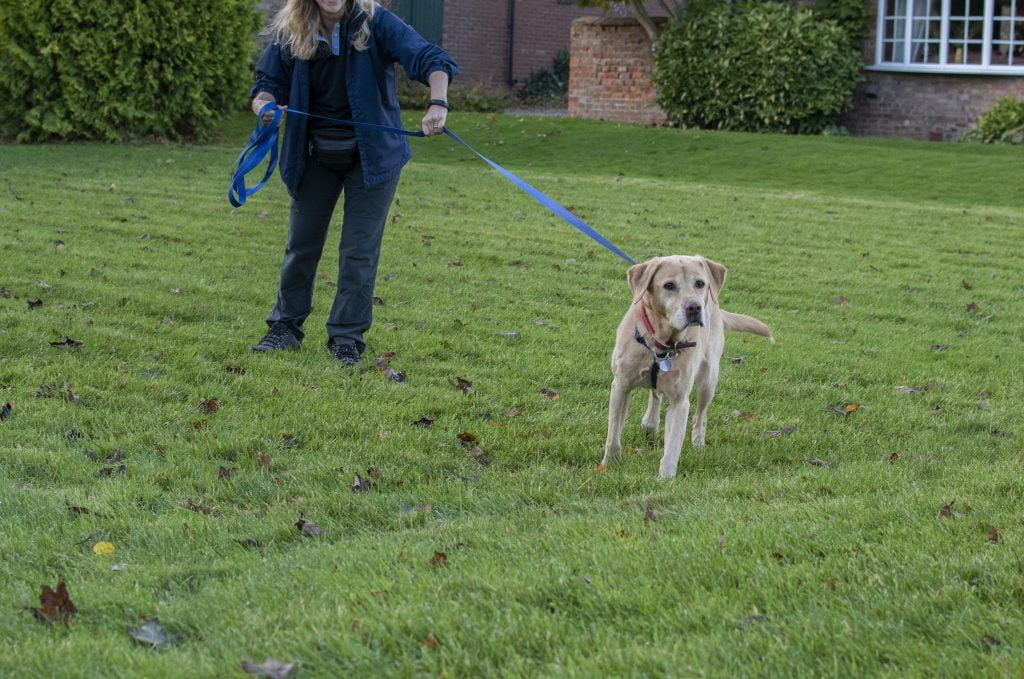
You can watch your own dog in the home, when out on walks and during play sessions. See how they interact with you and the world around them. Observe well socialised dogs interacting together and look at the way they communicate too. Video recordings are useful to pick up on subtle body-language and things that you might have missed.
Watch how dogs use their senses
The dogs’ sense of smell is 10,000 times better than ours. See how they take in information using it. Encourage them to use it with scent games and give them time to have a good sniff when out on walks.
Apply up-to-date methods of communication
It is now well known that trying to act like an alpha dog is an outdated method of training. Alpha rolls and muzzle grabbing only makes your dog think you are unpredictable and someone to fear. This can lead to self-defence aggression. Instead use positive reinforcement alongside quiet, non-threatening body language.
Reacting to an aggressive dog charge: Tips to stay safe
- Remain still
- Remain silent
- Avoid direct eye contact
- Present a side-on, closed stance, using your peripheral vision to assess the situation
- Keep your hands and arms close to your body
- Quietly and very slowly move away backwards but DO NOT run
Knowing when to step in when dogs are playing
Watching dogs’ play is great fun but sometimes things go a bit too far. Knowing when to step in and call a halt to the session is important. Look out for:
- One dog controlling the play session
- One dog doing all the chasing with the other trying to escape, crouching or cowering
- A dog displaying a high body stance – tail held high and ears erect
- Stiffness in the body and locked eye contact
If you observe any of these signals immediately distract the dogs by calling them away. Reward the recall and put them both under control.
Summary
So understanding canine body language is like learning a whole new language. Invest time and practice in getting it right and you will reap the benefits by having a more harmonious relationship!
If you are looking for a book these are my recommendations:
View on Amazon
With On Talking Terms With Dogs you can learn to recognize these signals and use them yourself to interact with your dog. Norwegian dog trainer and behaviorist Turid Rugaas has made it her life work to study canine social interaction. She coined the phrase calming signals to describe the social skills, sometimes referred to as body language, that dogs use to avoid conflict, invite play, and communicate a wide range of information to other dogs and also humans.
View on Amazon
Written by an experienced, registered clinical animal behaviourist, Fear and Anxiety in Dogs looks at understanding, preventing and ultimately treating common behavioural issues found in pet dogs. With the help of real-life case studies and illustrated step-by-step training guides, it explains why problems may develop and what you can do to formulate your own behaviour modification plan. Covering a range of fear-related issues, such as fear of noises, reactivity towards other dogs and people, separation anxiety and trips to the vets, this fully illustrated book is suitable for concerned dog owners, anyone working with dogs in a professional capacity or for those with a genuine interest in canine behaviour.
And for teaching children all about canine communication, here’s a great site produced by The Blue Dog.
Want to learn more?
Here’s a selection of my courses that will help you understand more about canine communication, handling and behaviour:


Certificate in Canine Handling & Understanding Communication Signals
10% of this course supports Canine Partners