Canine Enrichment: Everyday Activities to Engage Your Dog
 Snuffle Mats can provide sniffing and foraging behaviours.
Mental enrichment is an important aspect of canine well-being. Dogs were designed to work at getting their food using many senses; this occupied time and energy, reduced inappropriate behaviours, and kept them fit. Domesticity has eroded this, with mealtimes over in seconds, leading to boredom and excess energy.
Interactive feeding channels energy in young, high-energy breeds; for older dogs it keeps joints moving and brains active, helping prevent cognitive decline; it’s extremely beneficial for anxious dogs as it redirects nervous energy into a mentally enriching task and floods the system with feel-good hormones. Canine enrichment ideas are almost endless and needn’t be expensive.
Homemade Ideas
- Kitchen-roll inners stuffed with food wrapped in paper – Pack tightly; let your dog rip it apart to find hidden goodies.
- Cardboard egg box with scrunched paper balls – Hide kibble/strips of ham in each compartment (remove sticky labels first).
- Trug “snuffle tub” – Smear creamed cheese/beef extract along the base, sprinkle kibble, then fill with hay/straw or shredded paper (remove staples). Let your dog snuffle.
- Spin-the-bottle – Punch holes in an empty plastic bottle; add kibble; screw lid on. Dog moves the bottle until food drops out (make holes big enough).
- Hide and seek – Use safe containers (boxes, paper bags, envelopes, egg boxes). Use stuffed Kongs for wet food. Place indoors/outdoors (e.g. in garden among plants) to encourage scenting, dexterity, and foraging.
- Ball or bottle pits – Fill a large storage container or empty sandpit with lots of plastic balls (large enough to avoid swallowing). Alternatively use large plastic drinks bottles. Sprinkle kibble/chunks of wet food inside to encourage digging and searching.
- Snuffle mats – Easy to make; based on “peggy rag-rugs”. Dogs find bits of food pushed deep into the rags.
Shop-Bought Ideas
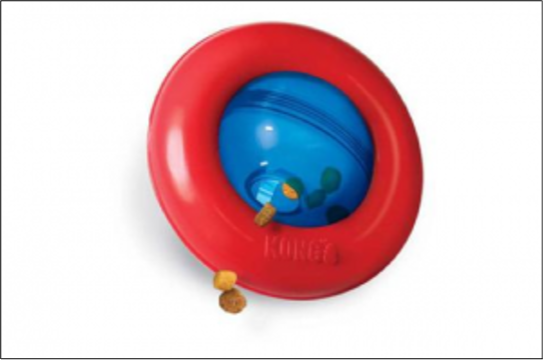
There are many mental-enrichment toys and interactive feeders on the market, including Kongs, Snuffle Mats, feeding balls, etc.
Things to Consider
- Don’t make it too difficult at first – Start easy so dogs can practise without frustration; increase difficulty gradually.
- Harness the nose – Let dogs use their sense of smell: take varied walks and allow sniffing; create a garden scent-sensory area (herbs; boxes with rabbit-used hay; hidden paper plates smeared with beef extract or creamed cheese).
- Health and safety – Ensure no loose parts can be ingested or wedged; choose robust items or materials that won’t cause injury if swallowed.
- Cage-rest enrichment – Mental activities help relieve boredom.
Bottom line: Providing natural, positive outlets to expend energy enriches dogs’ lives, exercises minds and bodies, helps ward off behaviour problems, and is fun to watch.
You can also create a home-made canine sensory agility course to stimulate your dog’s senses and coordination. This can include safe household objects arranged to encourage weaving, stepping over, balancing, or exploring different textures. Always ensure any containers or props are made from safe, non-slip materials, and avoid using any food items that may be poisonous to dogs. For a video demonstration and more ideas, watch here: